
The utility is the city. That changes the whole question.
Marietta Power isn't a company that serves Marietta. It belongs to Marietta. What we pay doesn't leave, and it doesn't come out of your bill.
- The utility
- City-owned
- What we pay
- Standard commercial rates
- Who funds our upgrades
- We do
A city-owned utility means the money stays in Marietta.
If the utility here were investor-owned, a large new customer would be good news for shareholders somewhere else. Marietta Power is owned by the city, which means a long-term commercial customer paying commercial rates is revenue to the city itself — money that goes into the same budget as everything else the city does. That's not a benefit we're offering. It's just how a municipal utility works, and it's one of the honest reasons this site makes sense.
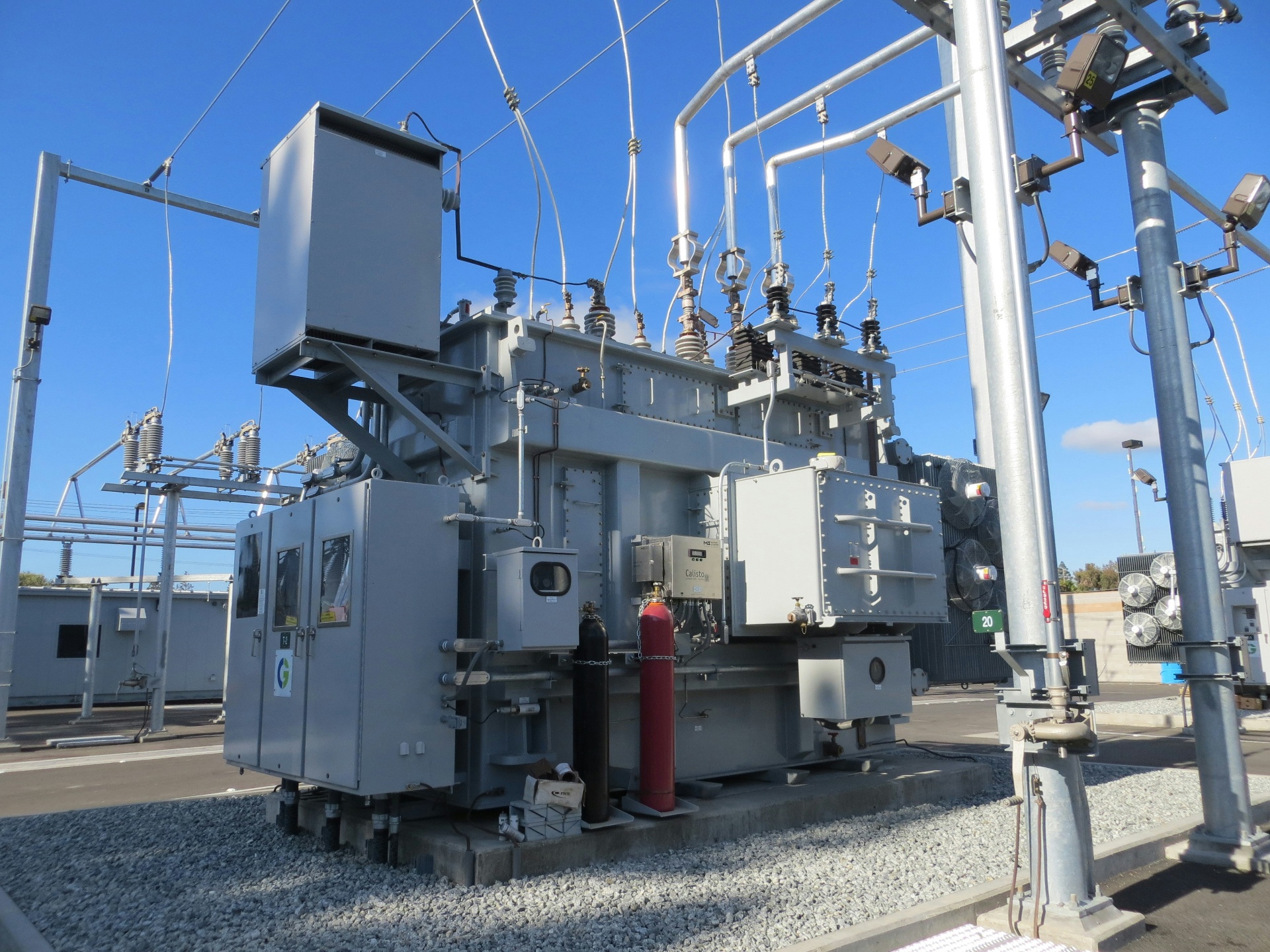
Marietta Power is owned and operated by the City of Marietta.
Why a city-owned utility matters
Most places don't have this. Marietta does — the electric utility is a city department, not a private company operating under a franchise.
So when people ask what the city gets out of this, the utility revenue isn't a side benefit or a rounding error. It's the main one, and it lands directly in the city's own accounts rather than passing through anyone else's first.
Will your bill go up?
No — and it's worth explaining the mechanism rather than just asserting it.
A utility carries fixed costs regardless of how much power anyone uses: the poles, the substations, the crews. Those costs get spread across everyone who's connected. Adding a large, steady commercial customer spreads them across a broader base, which works in residential ratepayers' favour rather than against it.
We also pay for our own upgrades. If serving this building needs equipment, that's on the project, not on the utility's other customers.
Illustrative.
Illustrative.
Using capacity that's already here
This corridor was built for commercial use, and the power to serve it is already in the ground. That's a large part of why the site works — no new substation, no power plant, no major transmission expansion.
It's also the least dramatic fact on this page, and probably the most important one. The reason this proposal is small is that we chose a site where the infrastructure already existed rather than one where it would have to be built.
What happens when the grid is strained
On the hottest afternoons of the year, utilities ask large customers to reduce load. We can do that — the facility can step down its draw when the system is under stress.
Worth being precise about what that means, since this gets overstated in our industry: it means we stop taking as much. It does not mean we power anyone's house. Reducing demand at the right moment is genuinely useful to a utility, and it's the whole of the claim.
Illustrative.
This section is deliberately blank.
Our own published materials currently describe backup power two incompatible ways, and the draft stipulations reference generator enclosures and a weekday testing schedule — which only make sense with engines. Whichever answer is correct, publishing the wrong one on the page about power would be the worst error we could make here, so we're holding this section until it's settled.
When it's resolved it will say plainly what the equipment is, how often it's tested, when, and how loud — in the language the equipment actually uses. If it's diesel, it will say diesel.
The numbers, and where they came from.
| Claim | Figure | Source |
|---|---|---|
| IT load | 12 MW | Application ↗ |
| Total facility design | 18 MW | Application ↗ |
| Utility | Marietta Power — city-owned | City records ↗ |
| Rate class | Standard commercial | Application ↗ |
| Public subsidy sought | $0 | Application ↗ |
| Who funds infrastructure upgrades | The project | Application ↗ |
| New substation required | None | Application ↗ |
| Annual revenue to Marietta Power | ~$12M | Projected |
| Backup power configuration | — | Pending — final design |
The revenue figure is our estimate, marked as one. It depends on how much power the building actually draws, which depends on how busy it is. We'd rather show you an honest estimate than a confident number we can't stand behind.
Questions about any of this?
Ask, and the answer goes on the page — including the ones still marked pending. When the backup design is settled, it gets published here.