The case for small facilities close to where they're used
Distance costs time. For some things — a scan, a fraud check, a dispatch — the time is the whole point.

Published by theEdge, the applicant in Case Z2026-12. This is our account of our own project.
The reasonable question underneath every objection to this project is: why here?
Not in the accusatory sense. In the literal one. If a building is full of computers, and computers work the same everywhere, then put it somewhere with cheap land and cheap power and no neighbors. Georgia has plenty of that. Wyoming has more.
It is a good question and it has an answer, but the answer is not obvious and we have not always explained it well.
Distance is time
Information moves fast but not instantly. A request travelling from Marietta to a facility several states away and back covers real distance through real cable, and the round trip takes a measurable amount of time.
For most of what happens on the internet, that time is irrelevant. Nobody notices. Nobody is standing there with a stopwatch.
But some jobs are not like that. Some jobs are a question being asked by someone who is waiting for the answer before they can do the next thing — and for those, the round trip is not overhead. It is the constraint.
What actually needs proximity
The examples are more useful than the principle.
A scan that needs triage. A hospital system runs imaging through a model to flag what needs a radiologist's attention immediately rather than in the ordinary queue. The value of that is entirely in the immediacy. A flag that arrives after the patient has been moved is a report, not a triage.
A transaction that needs checking. A card gets presented. Somewhere, a model decides whether the pattern looks like fraud. That decision has to happen inside the window between the card being presented and the transaction completing, which is not long. Miss the window and the check either delays the customer or happens after the money moved.
A dispatch decision. Where to send the nearest unit, given what is happening right now. Traffic, availability, distance. The answer stops being useful very quickly.
None of those are exotic. They are ordinary institutional work that happens in every city, and they share a structure: someone is waiting, and the waiting has a cost.
The other kind
The contrast is worth drawing because it explains where the enormous facilities are and why.
Training a model — building it in the first place — takes weeks or months of hardware running continuously. Nobody is waiting on a specific answer. There is no window. Under those conditions, the only things that matter are the cost of power and the cost of land, and the rational move is to go where both are cheapest.
That is why those facilities are enormous and remote. It is not a coincidence or an aesthetic choice. It is what the job permits.
Two different jobs. Two different building types. The same two words describing both, which is most of why these conversations go badly.
Why small, specifically
Proximity explains why near a city. It does not by itself explain why small, and the two are connected.
If you need to be near people, you are competing for land in places where land is expensive and neighbors exist. That constrains what you can build. You cannot put a hundred acres in a commercial corridor because there are not a hundred acres in a commercial corridor, and if there were, the price would make the arithmetic absurd.
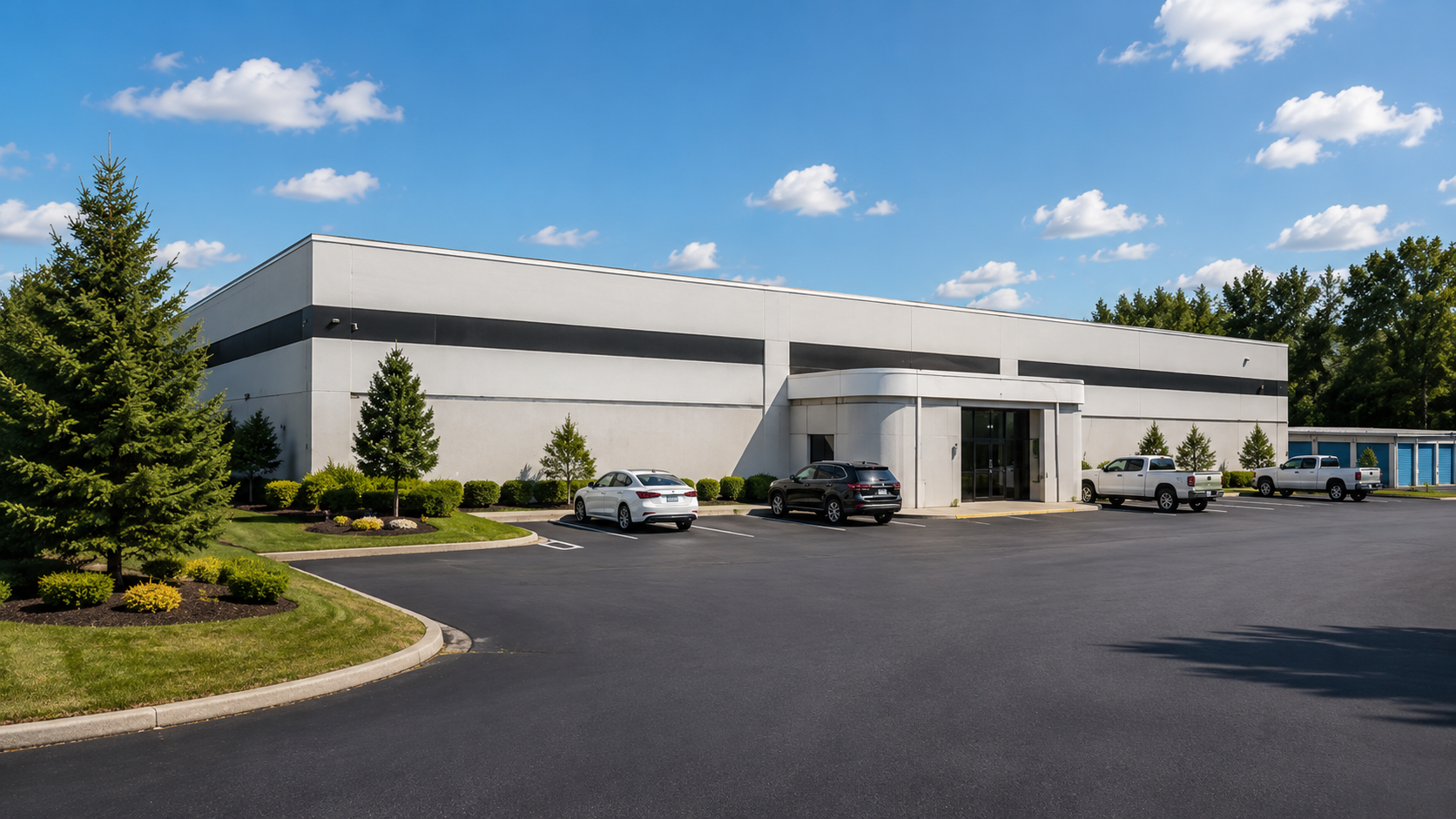
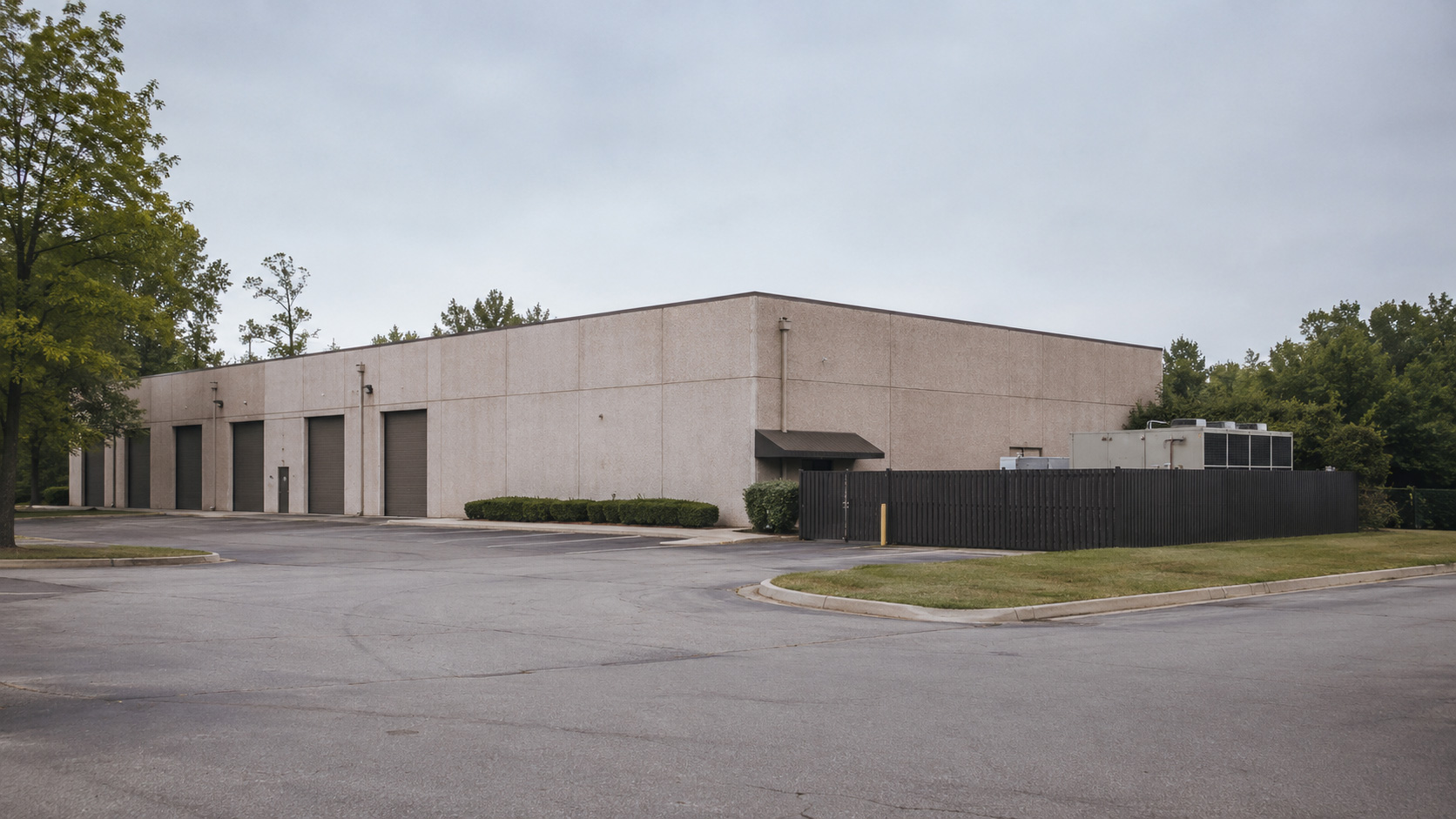
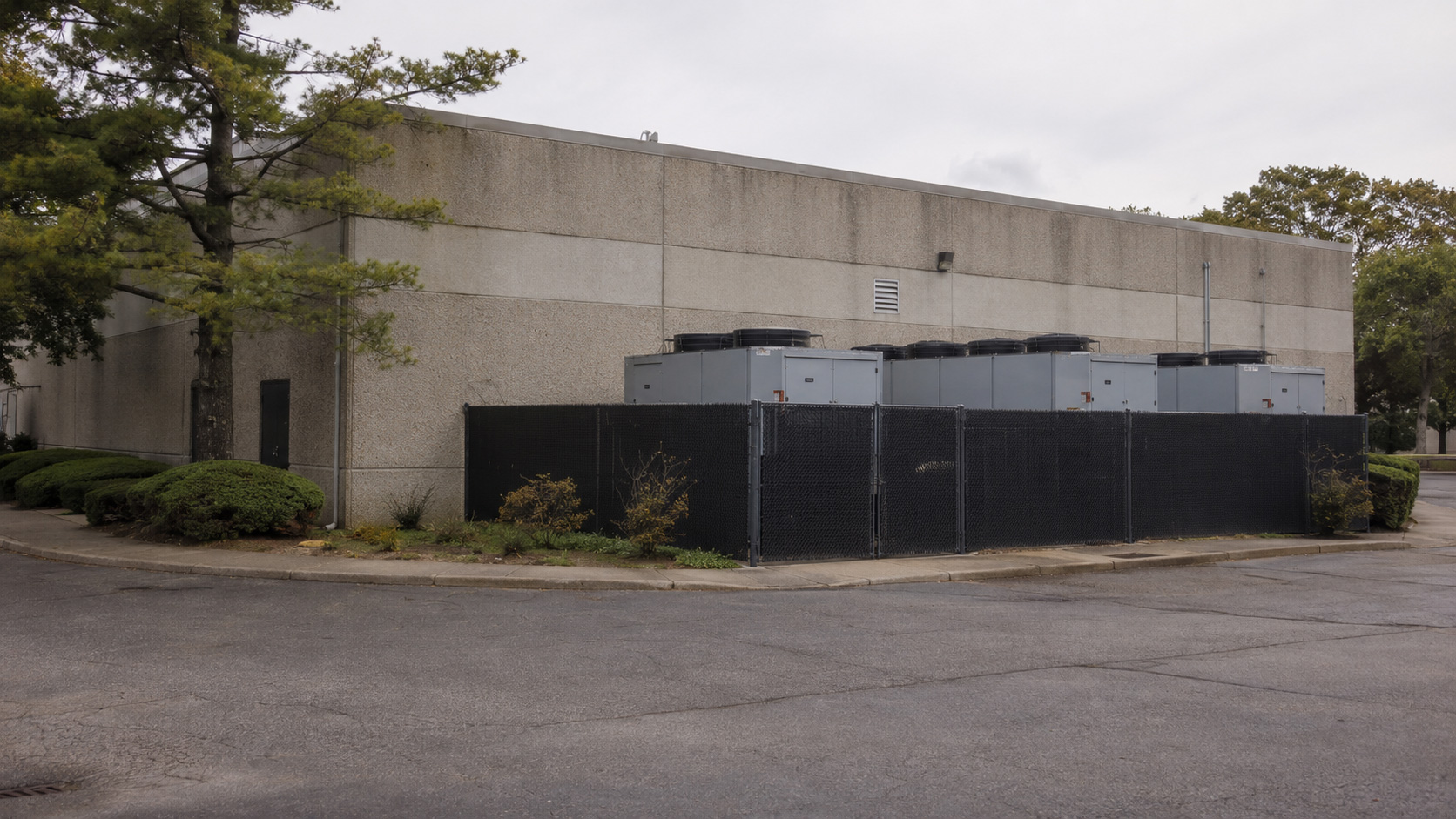
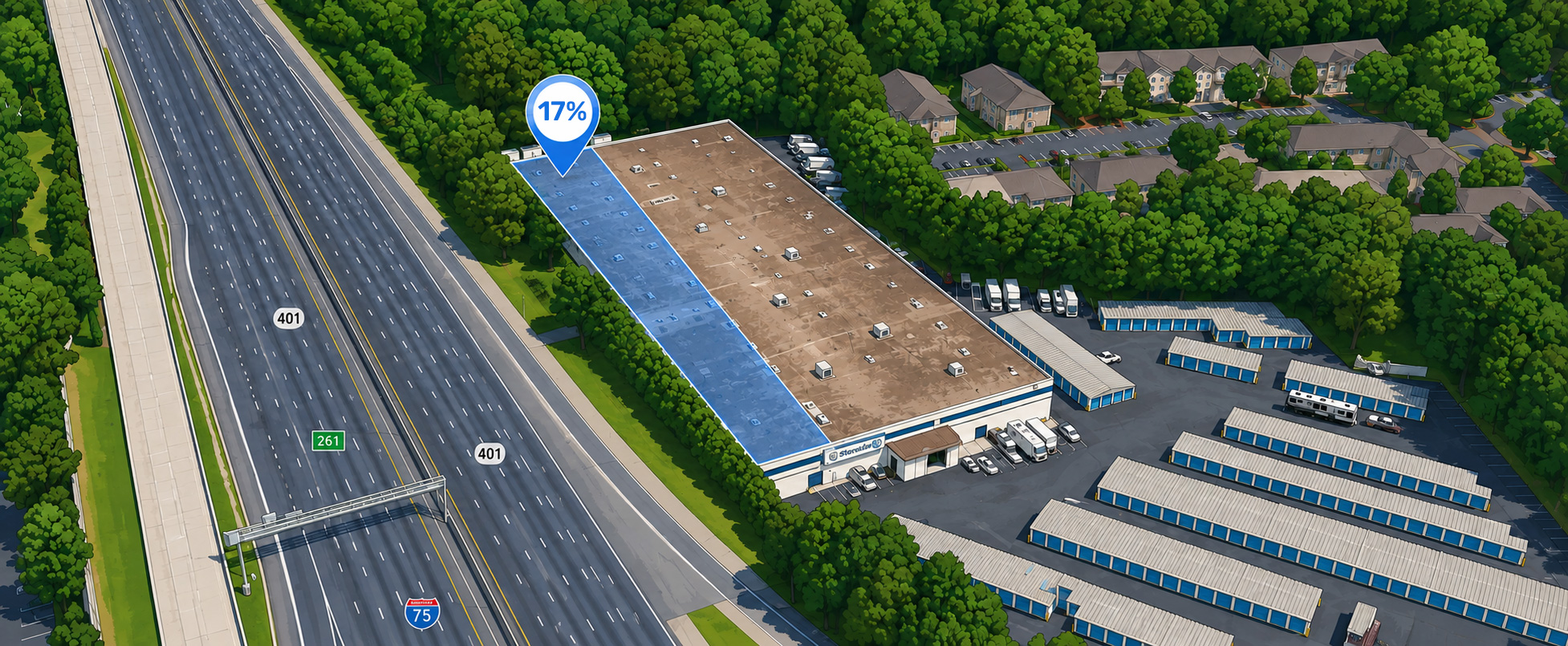
So facilities that need to be close are necessarily modest. Twelve megawatts of IT load, inside 17% of a ten-and-a-half acre site, in a building from the 1980s. Not because we are being restrained, but because that is the size of thing that fits where it needs to be.
The corollary is the part worth sitting with:
The alternative to a small facility near a city is not no facility. It is the same work happening further away, more slowly.
Or, more often, happening in a different metro area whose corridor got there first.
That is not an argument that Marietta owes anyone anything. Cities decline things all the time and are entitled to. It is just what the choice actually is, and it seems better to describe it accurately than to imply the options are this building or nothing.
What proximity does not require
Worth being precise about the limits, because this argument gets stretched.
Proximity does not require a large building. It does not require new construction. It does not require clearing land, or a new substation, or municipal water. It requires being roughly here rather than roughly there, and having enough power and fiber to do the work.
Everything else about a facility is a choice. We chose a building that already existed, on a site already zoned commercial, with power already in the ground, next to a highway that is already the loudest thing on the block.
None of that follows automatically from "we need to be close to Atlanta." It follows from also wanting to be a tolerable neighbor, which is a separate decision and one that can be checked — the commitments are on file with the City as requested conditions, not offered as assurances.
The unglamorous version
The whole argument reduces to this: some computing has to happen near the people using it, and computing that happens near people has to be small, and small things fit in buildings that already exist.
That is not a vision. It is a set of constraints that produce a particular shape of proposal — and the shape is why this one occupies a strip of a storage site off Powers Ferry Place rather than a hundred acres somewhere with a nicer render.
Whether Marietta wants it is a separate question, and it is the City's to answer. But the answer to why here is not that we were looking for somewhere quiet to hide. It is that here is where the work is.