Why a storage company ended up in digital infrastructure
We didn't go looking for this. We noticed that some of the buildings we already owned were in the right place for something other than boxes.

Published by theEdge, the applicant in Case Z2026-12. This is our account of our own project.
There is a version of this story that sounds better than the true one. In that version, a company studies the movement of data across the American Southeast, identifies an underserved corridor, and acquires a strategic position within it. Slides are involved.
The true version is that we own a lot of buildings, and one day somebody noticed something about a few of them.
Prime Group Holdings has been in self-storage for a long time. It is a family-owned business, privately held, and it operates hundreds of facilities across North America — sixteen in Georgia, three of them in Marietta. Self-storage is an unglamorous trade. You buy or build a large, simple structure in a place people can get to, you keep it secure and dry, and you rent space in it to people who have more possessions than room. There is no version of that business that is exciting to explain at a dinner party.
But it does teach you something specific, and it took us an embarrassingly long time to notice we had learned it: we own a great deal of well-located, structurally sound, electrically serviced real estate that most people never think about.
What a storage building actually is
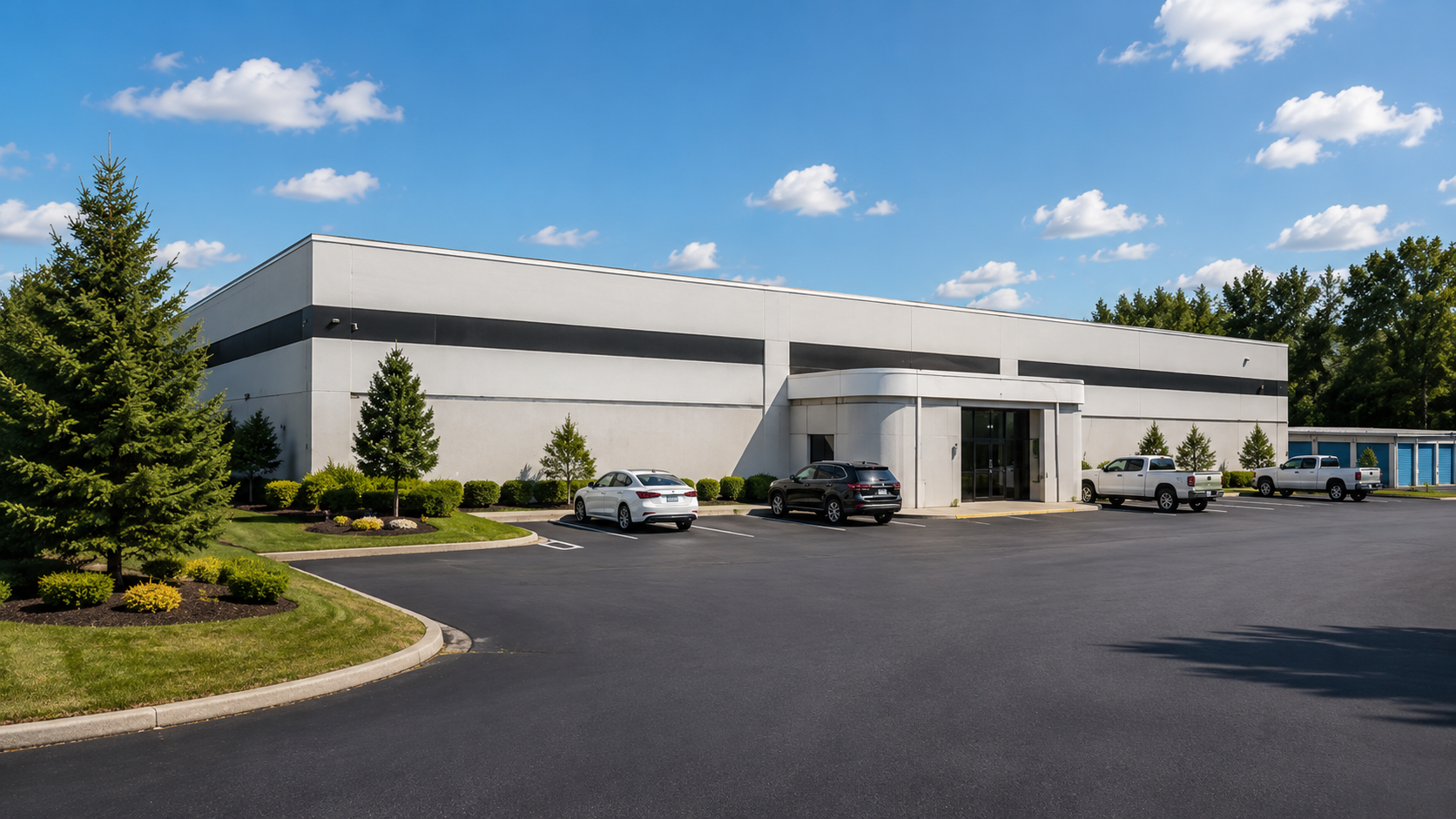
Strip away the roll-up doors and what you have is a box with power, road access, a fence, and a large amount of concrete.
That description is not romantic, but it describes something else too. It describes, roughly, the physical requirements of a small computing facility.
A building full of computers needs the same things a building full of other people's furniture needs, plus more electricity. It needs to be somewhere reachable. It needs a structure that can carry weight. It needs to be secure without being conspicuous. It needs to sit near the infrastructure that already exists rather than infrastructure someone would have to build.
Once you see that overlap, it is hard to stop seeing it. The industry that builds digital infrastructure spends enormous effort acquiring land, entitling it, clearing it, and constructing shells — and we already had shells. Some of them were in exactly the places where the shells would be worth having.
The obvious objection
The obvious objection is that this is a rationalization. That a storage company noticed a lucrative adjacent business and worked backwards to a justification.
That is partly fair. Nobody at this company would pretend the economics are irrelevant. This is a business and the business is why we are here.
But the reason the origin matters — the reason it is worth spending a page on — is that it explains the shape of what we propose.
We propose small things in buildings that already exist, because small things in existing buildings are what we have.
We are not a technology company that went looking for land. We are a property company that already had it. Everything downstream of that follows.
It is why the Marietta proposal occupies roughly 17% of the site rather than all of it. It is why the storage business continues on the rest. It is why there is no clearing, no new construction, and no new acreage — not because we made a virtuous choice, but because the entire premise is that the building is already standing.
The part that isn't a coincidence
Where deliberateness does enter is in which buildings, and for what.
Not every storage facility is a candidate. Most are not. The ones that work sit near existing electrical capacity, near fiber that is already in the ground, and near the people and institutions that would actually use the computing. That last condition rules out the vast majority, and it is the one people find least intuitive.
Some kinds of computing genuinely do not care where they happen. If a model is being trained over the course of weeks, it makes no difference whether the machines are in Georgia or Wyoming — put them where power is cheapest and nobody notices.
But other kinds of computing are answering a question right now, for someone who is waiting. A scan that needs reading. A transaction that needs checking before it clears. A dispatch decision. For those, distance is not an abstraction — distance is time, and the time is the entire point of doing it at all.
That is the category this building is in. And it is why a facility like this belongs near a city rather than in an empty county three states away. Not because it is nicer for us. Because the whole function collapses otherwise.
What we got wrong
We have been at this long enough to have learned some things the hard way, and the most useful one is about language.
The phrase "data center" does damage. It is technically accurate and practically useless, because it describes a hundred-acre campus with its own substation and it also describes a room of equipment inside an existing warehouse. When someone hears it, they picture the first one — reasonably, because the first one is what gets photographed and written about.
We used that phrase for a long time without thinking about it. Then we watched a room full of people at a public meeting react to it, and it became obvious that we had been handing people a picture of something we were not proposing and then acting surprised when they objected to the picture.
That is not their failure. It is ours. The word was wrong and we used it anyway.
What this actually is
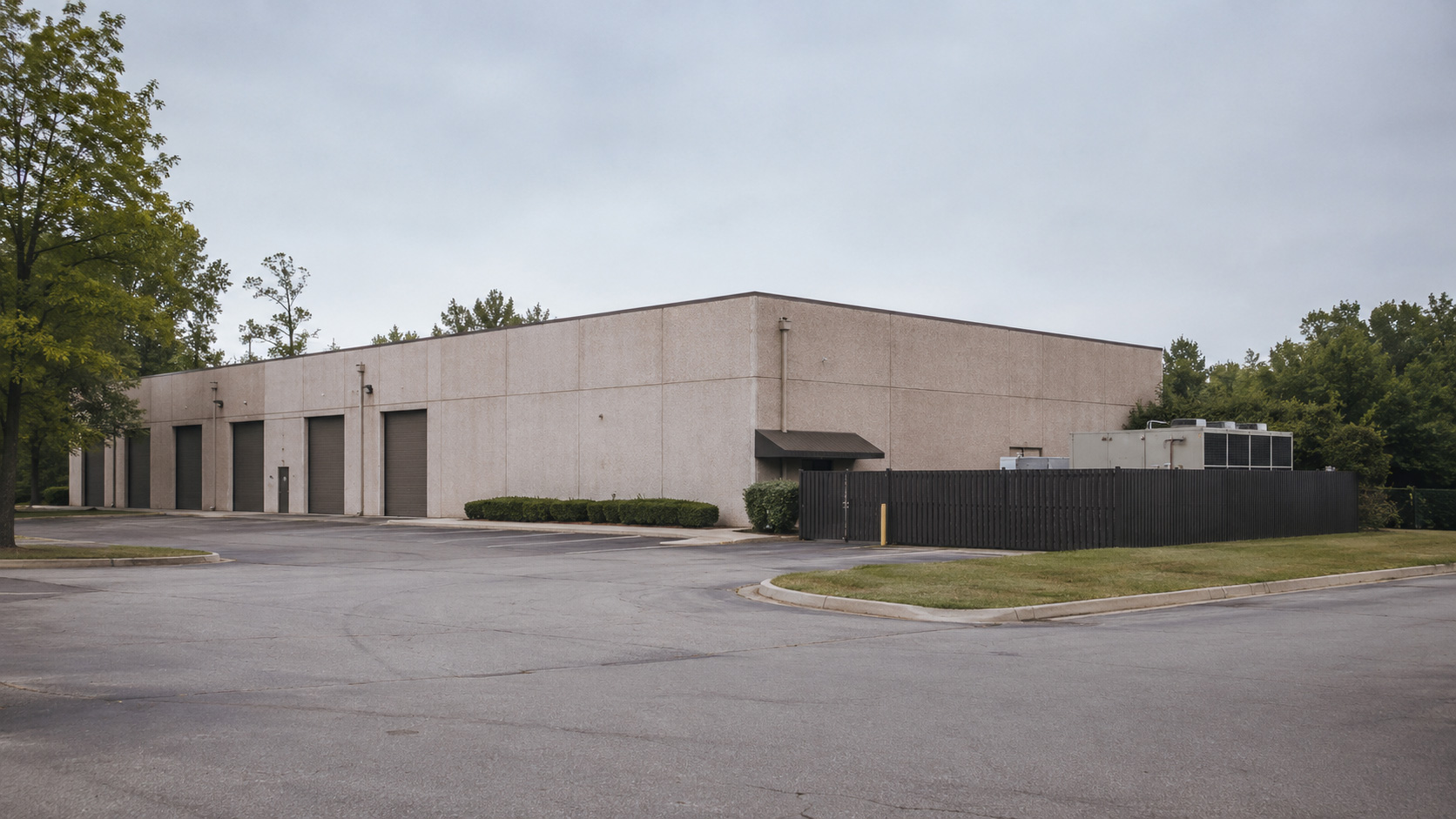
So, plainly: this is a proposal to install computing equipment inside part of a building on Powers Ferry Place that has been standing for about forty years — first a warehouse with loading docks, then self-storage, which is what it is today.
The equipment would occupy roughly 17% of the ten-and-a-half acre site. The storage business continues on the rest, with the same customers and the same hours. Nothing is cleared. No new building goes up. No new pavement is added. The perimeter trees stay.
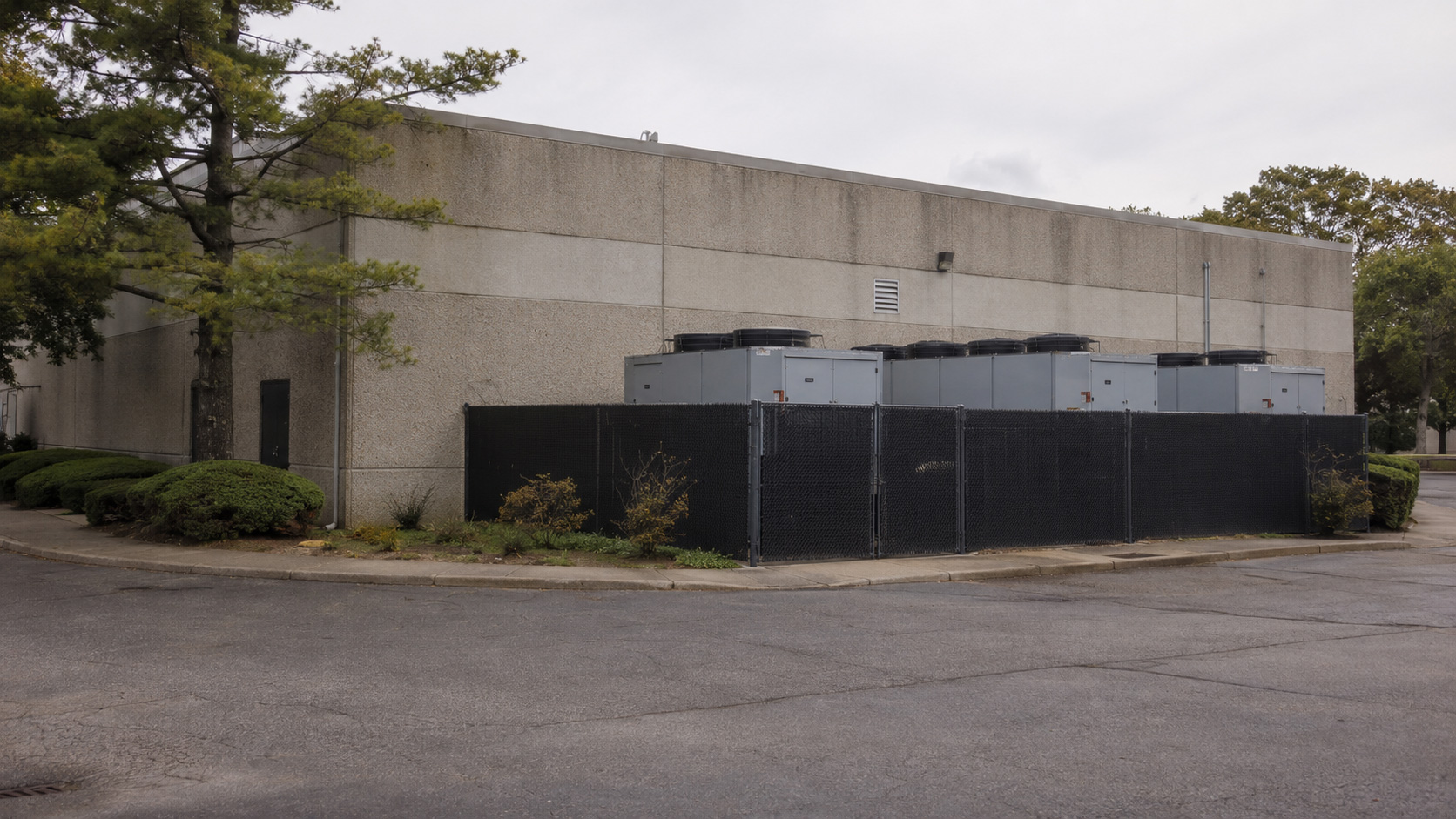
The cooling is air-cooled and sealed, which uses no city water and costs us more to run than the alternative. The power comes from Marietta Power, the utility the city owns, at standard commercial rates, from capacity that already exists. The investment is entirely private, with no public subsidy sought.
And the commitments in that paragraph are not offered as assurances. We have asked the City to attach them as conditions of the approval, which means the City can enforce them against the approval itself. That is a meaningfully different thing from a company promising to be a good neighbor, and the difference is the only reason the paragraph is worth reading.
Why any of this matters
There is a fair question underneath all of this, which is: so what? A company found a business it is good at. Congratulations.
The reason it matters is that the origin predicts the behavior.
A company that buys land, builds, and sells the finished asset to whoever operates it next has a specific set of incentives, and none of them involve being there in ten years. The people making the promises are not the people who will be around to keep them. That is a legitimate thing to be wary of, and people are right to be wary of it.
This is a different situation, and it is the honest reason to give us the benefit of the doubt rather than a rhetorical one. We already own this property. We already run a business on it. We will still be running that business after any vote, whichever way it goes. If we turn this building into a bad neighbor, we are the ones who have to live next to the result — and we will be doing it while trying to rent storage units to the same people.
That is not a moral claim. It is just an alignment of interests, and it is more durable than good intentions.