What a zoning condition is, and why we asked for ten
A promise on a website can be quietly dropped. A condition attached to an approval can't.

Published by theEdge, the applicant in Case Z2026-12. This is our account of our own project.
Everything else on this site is us describing our own project. That is a structural problem, and no amount of careful writing fixes it. We are the applicant. Our account of ourselves is worth roughly what any applicant's account of itself is worth, which is to say: it is a starting point for someone else's questions.
This piece is about the one part of the proposal that does not depend on believing us.
The difference
A promise is a thing a company says. It might be sincere. It might even be kept. But there is no mechanism attached to it. If it is broken, the recourse is to be annoyed, or to write to someone, or to bring it up at a meeting three years later and be told that circumstances changed.
A condition is a term written into a zoning approval. It is not a contract with the applicant; it is part of the permission itself. If a condition is violated, the City has remedies against the approval — the thing that allows the use to operate at all.
That is a different order of consequence, and the difference is not rhetorical. One costs nothing to break. The other puts the building at risk.
Why we asked
The honest framing is not that we are being generous. It is that a commitment nobody can enforce is not worth making.
We could have written "the facility will be quiet" on a website. We did not have to ask anyone's permission to write that, and it would have committed us to nothing. Anyone reading it would have been right to discount it entirely.
So the commitments were submitted to the City as requested conditions instead. Not as a gesture — as the only way for a statement from an applicant to mean something to the person reading it.
Requested is the operative word, and it is worth being precise. We have asked. Council decides what actually attaches to any approval. The final list is theirs to set, and we will publish it the day it is set, whatever it contains.
What's on the list
Ten items, in plain terms.
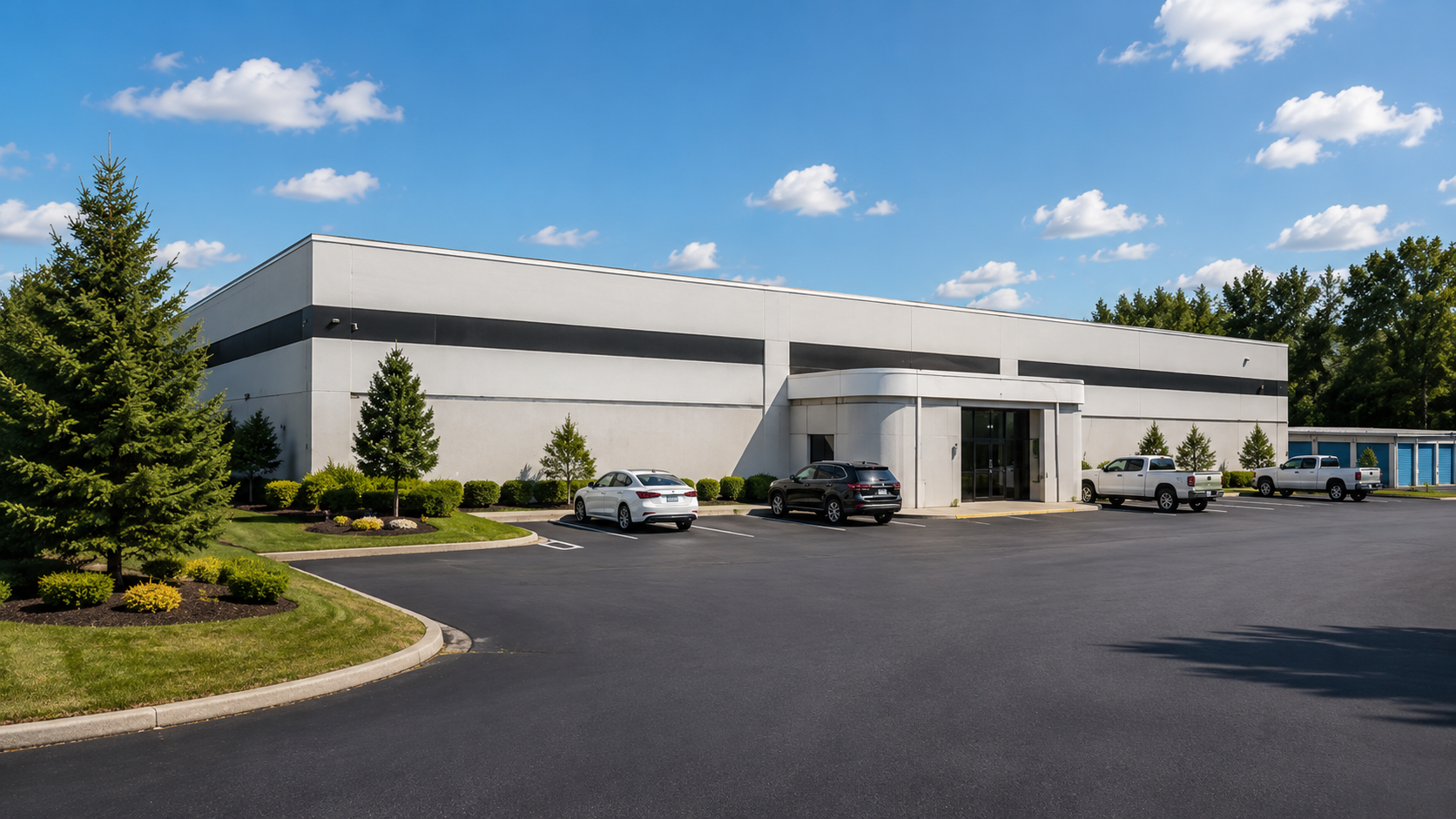
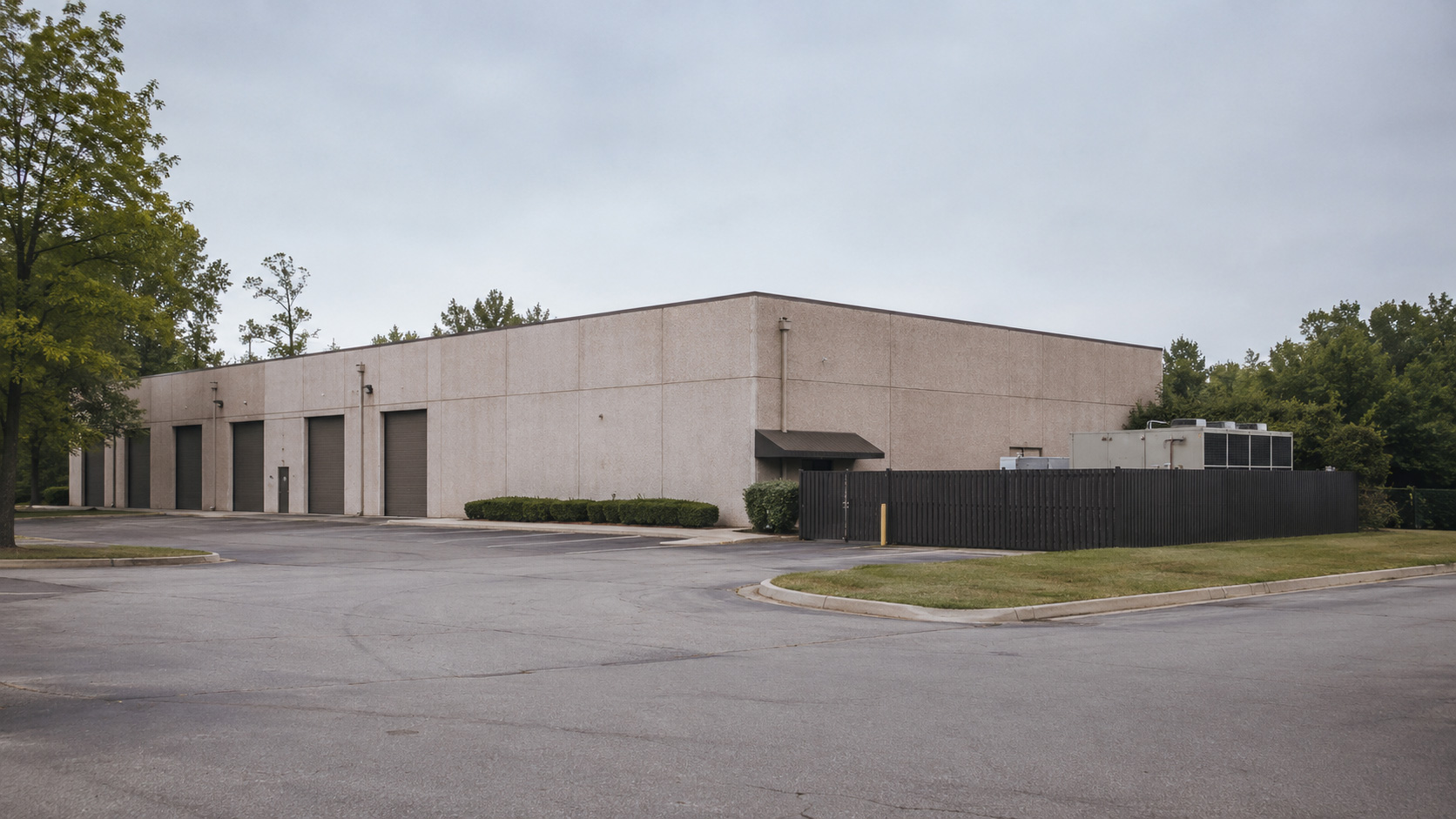
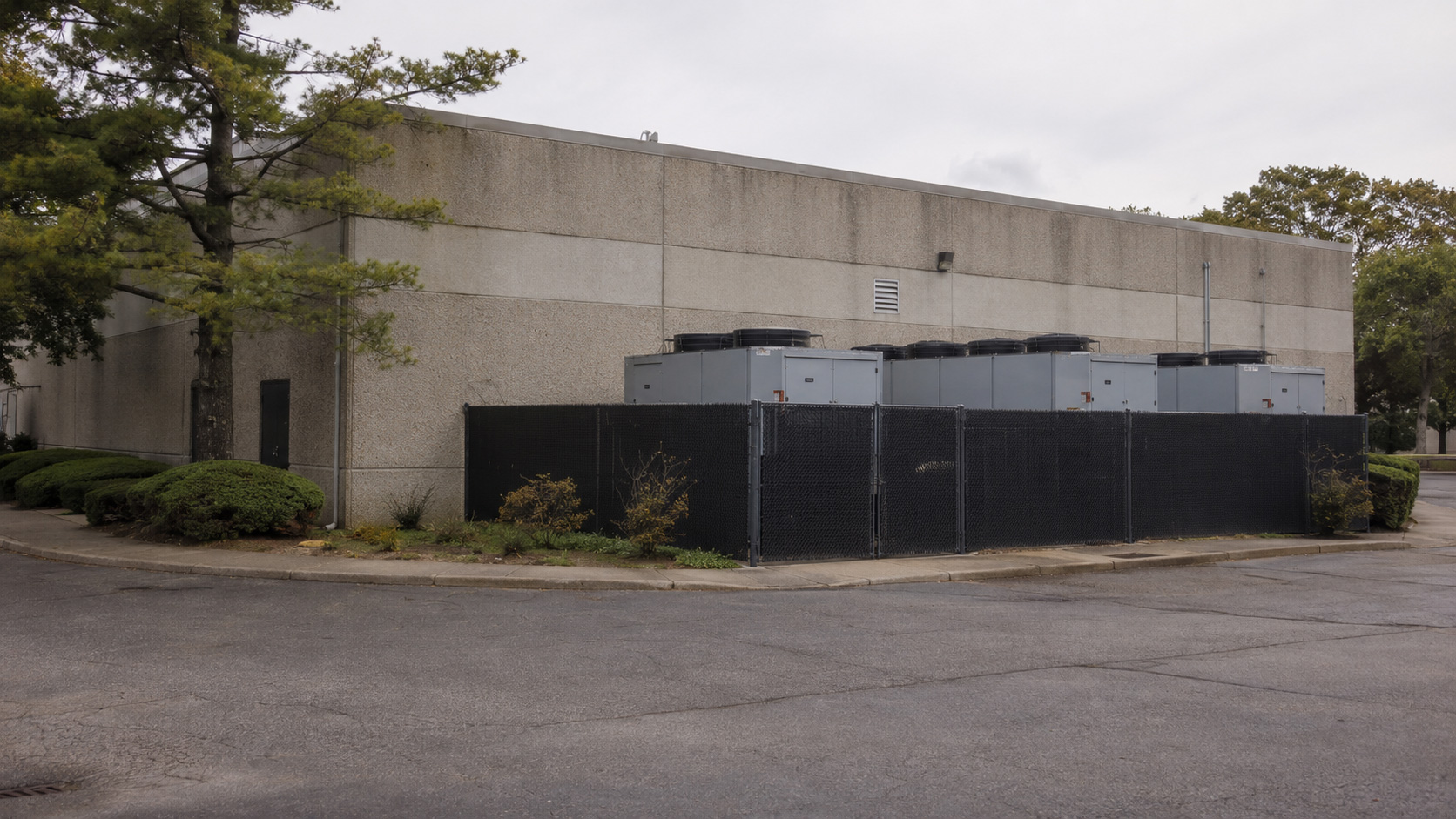
Equipment goes inside the building that is already standing — no new principal construction. The property is already paved and this adds none. Generators enclosed or acoustically screened, tested only during business hours on weekdays. An independent acoustical engineer measures at the property line before the facility may open, and if it does not pass, it does not open. Shielded, downward-facing lighting with no spill onto neighboring properties. Closed-loop cooling with no municipal water used for cooling. Construction practices managed to standard. Equipment oriented to direct sound toward the interstate rather than the neighborhood. The mature perimeter trees retained. And a privacy wall along the residential boundary.
Nine of those are requested as binding. One — the wall height — is still under discussion with Council, and it is listed as under discussion because that is what it is. We could put a number on this page and revise it later. You would be right to notice.
The one that does the most work
If only one of those survived, it should be the acoustic study.
Not because sound is the largest issue, though it is the one that tabled the case. Because of how it is structured: the measurement is taken by an engineer who does not work for us, at the property line rather than at the equipment, and passing is a precondition of opening rather than a thing to be assessed afterward.
That inverts the usual arrangement. Normally an applicant makes a claim, the building opens, and if the claim turns out to be wrong the neighbors are left assembling evidence against a business that is already operating. Here the burden sits with us, before the doors open, verified by someone we do not employ.
We are not asking anyone to believe our number. We are asking someone else to produce it.
What conditions cannot do
Worth stating the limits, because overselling this would defeat the purpose.
Conditions bind what they say and nothing else. They are not a general promise of good behavior; they are specific terms about specific things. Anything not on the list is not covered by the list.
They also are not self-executing. Enforcement means someone notices, and reports, and the City acts. That is a real process with real friction, and pretending otherwise would be the same kind of overstatement this whole piece is arguing against.
And they are only as good as their drafting. A condition written vaguely enough is a condition that can be satisfied vaguely. That is the sort of thing that gets worked out in the City's language, not in ours, which is one reason the full text sits in the public file rather than only in our summary of it.
The asymmetry
Here is why this arrangement is credible even though we proposed it.
The investment in this building is over $100 million, entirely private. A violated condition puts the approval at risk — and with it, the thing the money was spent on.
That is the asymmetry, and it is the whole argument. A promise costs us nothing to make and nothing to break. A condition costs us the building. We are not asking anyone to trust our character. We are pointing at what we would lose, which is a considerably more reliable thing to reason about than intentions.
Where to check
None of this is ours to summarize selectively. The draft stipulations are in the City's file under Case Z2026-12, along with the application and the staff analysis, and they are public. Anyone can read the actual language rather than our description of it.
If something on this site does not match what is on file, that is worth telling us, and we will correct it. That offer is not a flourish — a discrepancy between our website and the public record would be the most damaging thing that could happen to this page, and we would rather hear about it from you than from someone at a podium.