Who actually builds a project like this
150 to 250 people, most of them from within an hour's drive, doing trades that don't get talked about much.

Published by theEdge, the applicant in Case Z2026-12. This is our account of our own project.

Job numbers at zoning hearings are a genre, and the genre has a problem. Everyone knows the applicant picked the biggest defensible figure, and everyone knows the applicant knows. So the number gets said, and it lands as noise, and the meeting moves on.
The figures here are 150 to 250 during construction and 25 to 40 ongoing. They are in the application. But the interesting part is not the count — it is what the work actually consists of, because a retrofit and a ground-up build employ very different people for very different lengths of time, and almost nobody explains which one they are describing.
Why the range is a range
Start with the honest part: 150 to 250 is a wide spread, and the width is not evasion.
Construction employment is not a headcount that holds steady. It is a curve. Early on, a small crew does demolition of interior partitions and preparation. Then the electrical work ramps and the number climbs steeply, because electrical is the dominant trade on a project like this by a wide margin. Mechanical overlaps. At peak, the site is busy. Then it tapers as systems get commissioned and tested, and by the end there is a small team doing the fiddly last things.
The range describes that curve. The low end is what the site looks like for a good portion of the schedule; the high end is what peak looks like. Quoting a single number would mean either overstating most of the project or understating the busiest part of it.
Who these people are
The trades on a retrofit like this one are specific.
Electricians are the largest group and the longest-running. A building being fitted for computing equipment is, from a trade perspective, mostly an electrical project. Conduit, switchgear, distribution, terminations. This is skilled licensed work and there is a great deal of it.
Mechanical trades — the people who install and pipe the cooling equipment, run the loop, set the chillers, balance the system. Fewer than the electricians, on site for a shorter window, and the work is more specialised.
Interior construction — partitions, doors, fire separation, the ordinary work of turning warehouse space into rooms with specific requirements.
Controls and commissioning — the people who make sure everything that was installed actually does what it is supposed to, which is a distinct discipline from installing it.
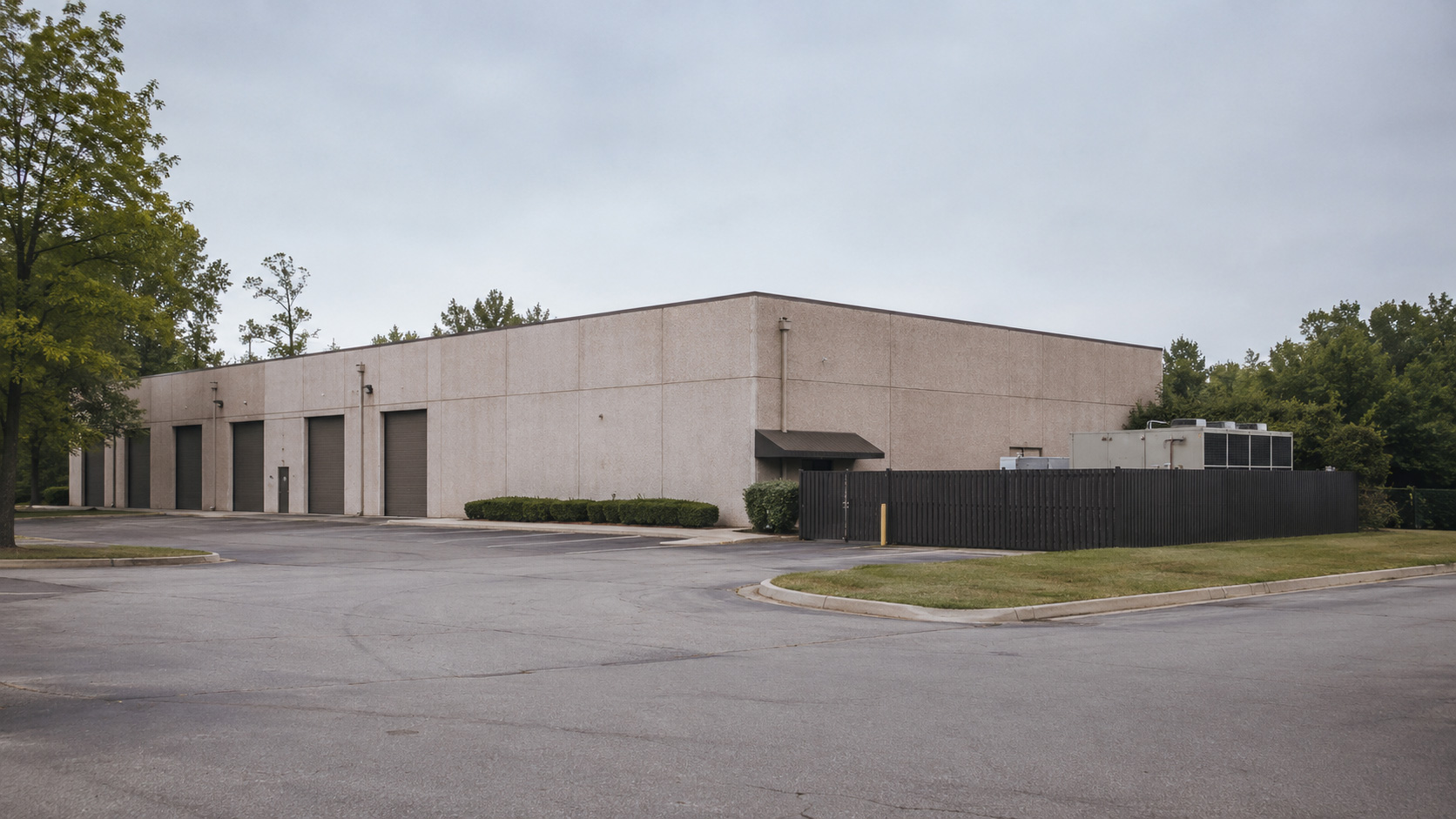
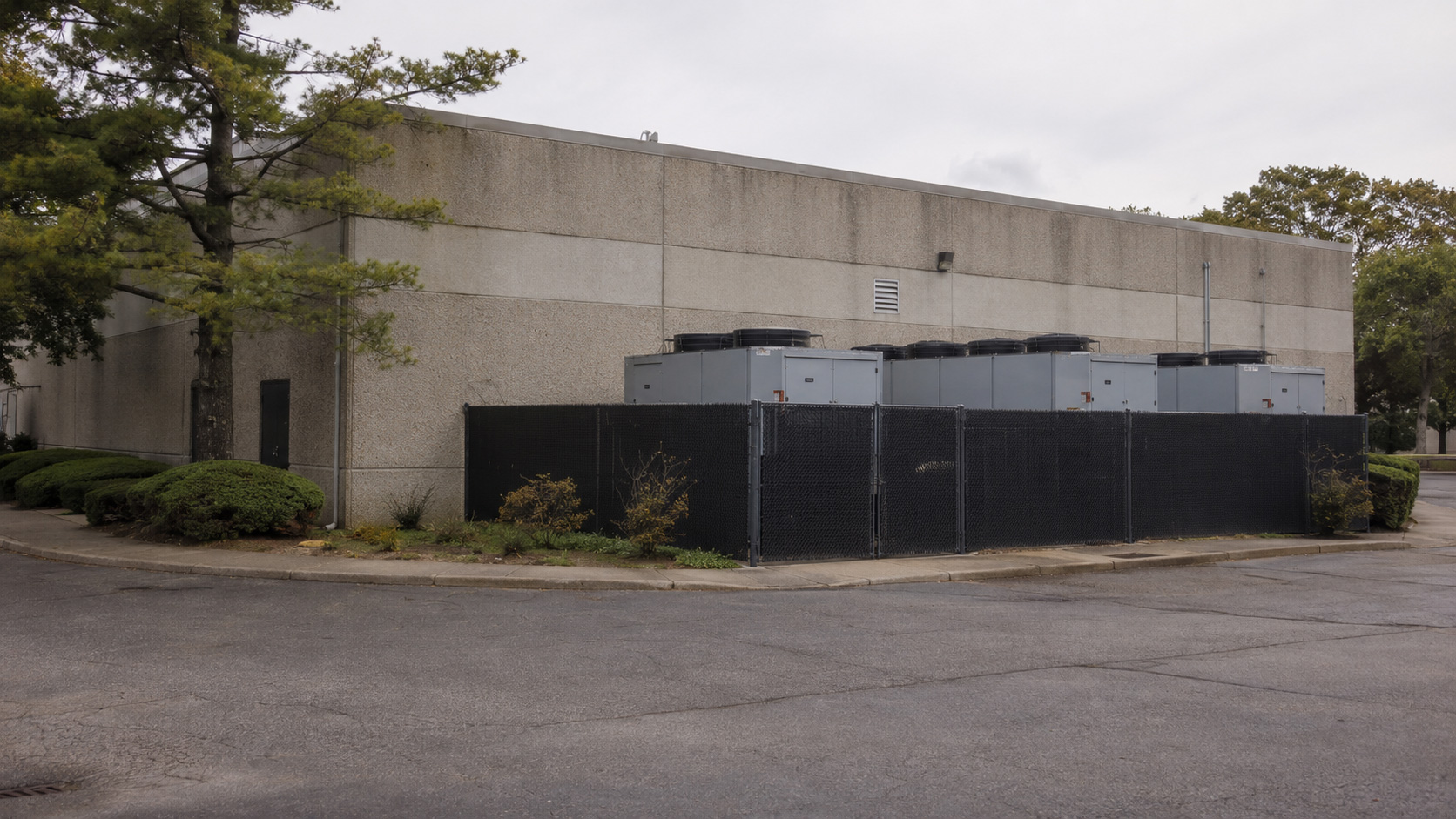
Site work — the equipment yard, the screening, the enclosure. This is where whatever exterior construction exists gets done.
Around all of that: the general contractor's staff, safety, inspection, and the logistics of getting material to a site that also has a storage business operating on it.
The part that matters locally
Metro Atlanta has these trades in depth. That is not luck — it is a large construction market with a deep bench of electrical and mechanical contractors, and this work is well within what they do routinely.
The application estimates 20 to 40 local firms engaged. That is our projection rather than a filed commitment, and it is marked as such wherever it appears on this site. But the underlying logic is not aspirational: subcontractors on a project this size come from the regional market because that is where the capacity is and because flying people in for work that Georgia electricians do every week would be a strange way to spend money.
These are not permanent jobs. Construction employment ends when construction ends.
Anyone telling you a build creates lasting employment is describing something else, or hoping you will not notice the distinction. What it creates is a defined stretch of well-paid work for people who do this for a living and then go do it somewhere else.
That is not nothing. It is also not a career, and we are not going to describe it as one.
The ongoing side
Twenty-five to forty ongoing roles is a smaller number and a more honest one, because it is the number that persists.
Facilities like this run with a modest permanent staff — the people who monitor systems, maintain equipment, handle physical security, and deal with the thousand small things that go wrong in any building with a lot of machinery in it. Then there is vendor work: the specialists who come in for scheduled maintenance on the mechanical plant, the electrical testing, the things that require a licence and a truck.
It is not a large employer and we should not pretend otherwise. A 12 megawatt facility inside part of an existing building is not a jobs engine, and if the case for this project rested on employment it would be a weak case.
The case rests on other things. The employment is real but modest, and describing it accurately seems better than the alternative — particularly since anyone at a Council meeting can do the arithmetic on what 25 to 40 jobs means for a city of this size.
The number you may have seen
One correction, because it is ours to make.
A figure of "300+ construction jobs" has circulated in connection with this project. It did not come from the application and it is not a number we stand behind. Where it originated we can only partly trace, but it does not matter much — it is wrong, and the correct figures are 150 to 250 construction and 25 to 40 ongoing.
We would rather retire that number ourselves than have someone else discover the discrepancy and reasonably conclude that we inflate things. Every figure on this site traces to the application on file with the City, and where one does not, it should not be here.
What this actually is
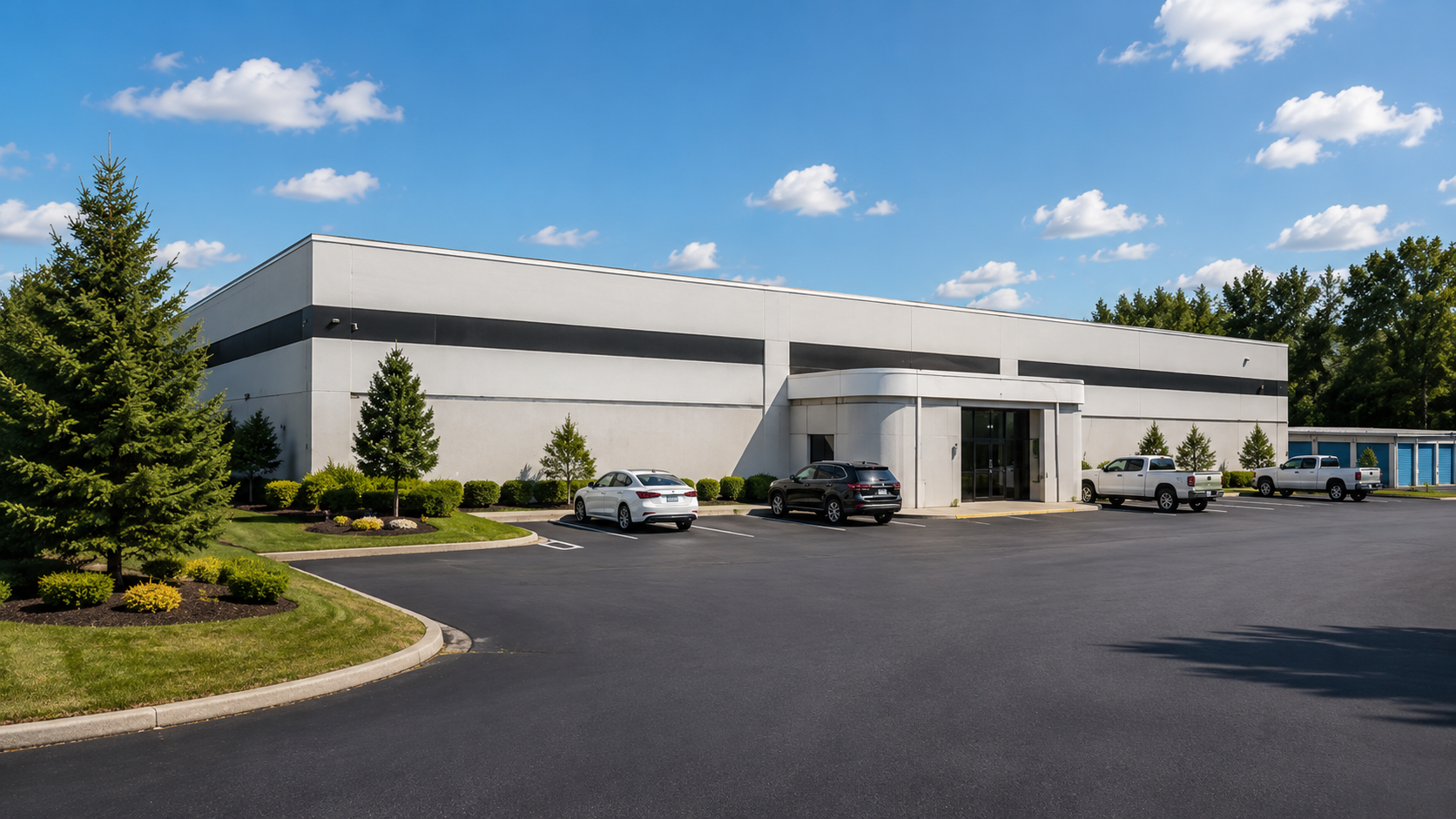
A few hundred people will work on this building over a stretch of months, most of them from within an hour's drive, doing skilled trades that do not get much attention. Then a much smaller number will run it, indefinitely, alongside the storage business that is already there.
That is the shape of it. It is a modest, real, unspectacular contribution to a regional construction market that is considerably larger than this project — and stating it at that size is more useful than the alternative, because a number that has been inflated once is a number nobody trusts twice.